Rumble strips create a physical pattern in the pavement that a vehicle can feel and hear when its tires pass over the treatment. The exact pattern matters, and the project requirements determine which type is called for.
Traditional rumble strips
Traditional rumble strips typically use a repeating milled pattern designed to create a noticeable vibration and sound when tires cross the treated area. They are commonly associated with roadway warning and lane-departure applications.
Dimensions, spacing and placement are project-specific. Loveland Barricade does not treat one generic pattern as the answer for every job; the project plans and requirements determine the work.
Sinusoidal rumble strips
Sinusoidal rumble strips use a smoother wave-shaped profile rather than a more abrupt conventional pattern. The shape changes how the tire interacts with the pavement compared with a traditional rumble strip.
When a project calls for sinusoidal rumble strips, the pattern should be performed to the project requirement rather than improvised in the field.
The Rumble Hog capability
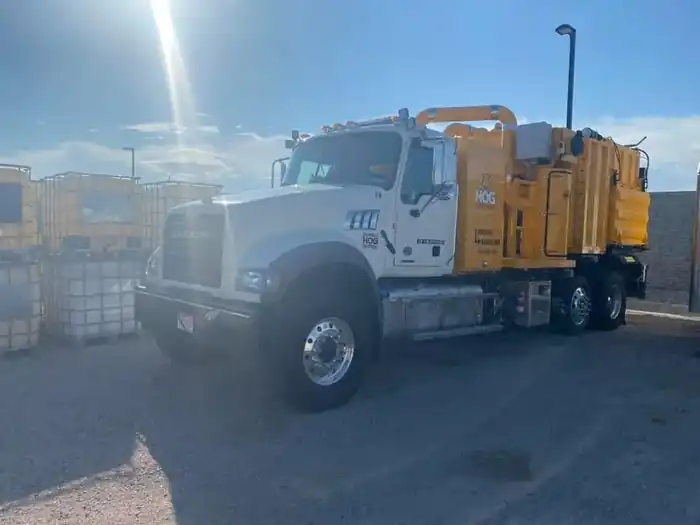
Loveland Barricade has a Rumble Hog used for rumble strip and removal work. The machine supports both traditional and sinusoidal rumble strip applications, giving the company a specialized pavement-marking capability beyond ordinary striping.
What to have ready when you call
- Project location
- Approximate quantity or length of rumble strip work
- Whether traditional or sinusoidal treatment is specified
- Any available plans, dimensions or project requirements
- Expected project schedule
- Whether removal work is also part of the scope